[Economic Indicator Analysis] US Department of Labor Employment Report
Dissecting the August US Employment Report: Structural Recession Signal or Temporary Adjustment?
US Employment Market ‘Off the Runway’… Is Soft Landing Possibility Crumbling?
Employment Shaken, Consumption Shaken… ‘Perfect Headwind’ Hits US Economy
Dissecting the August US Employment Report: Structural Recession Signal or Temporary Adjustment?
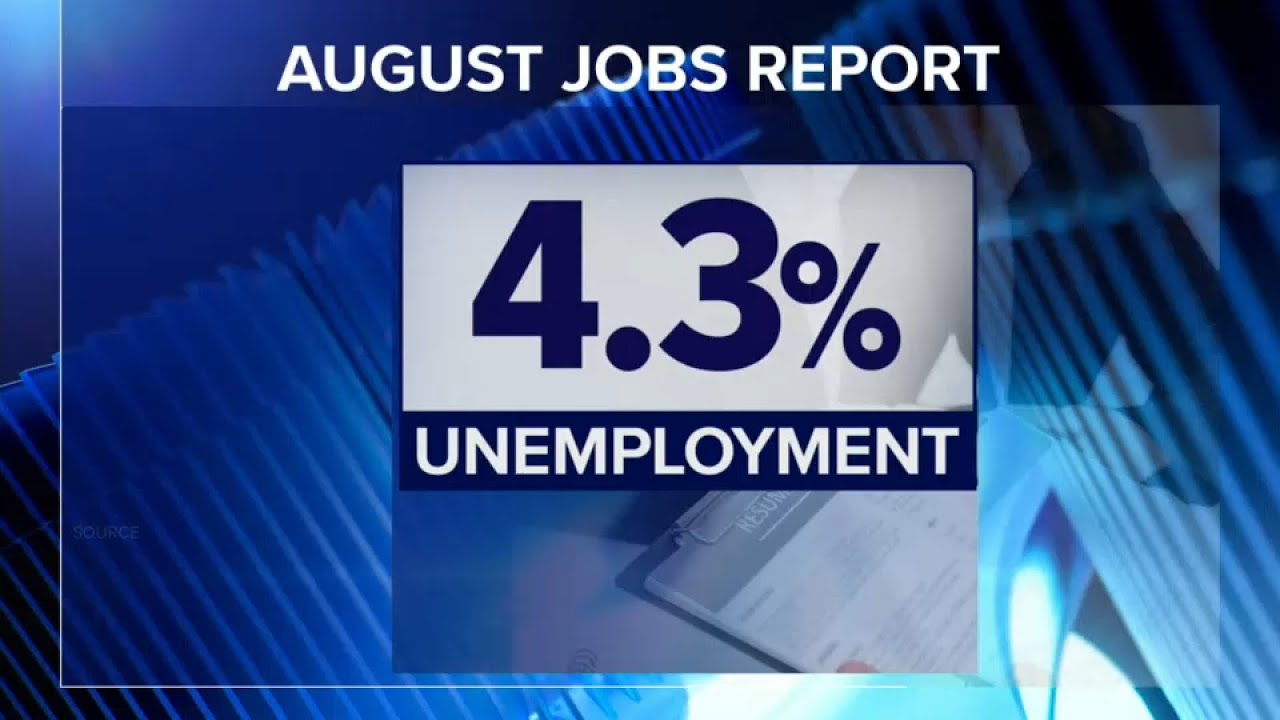
The US Department of Labor released August employment data on the 5th. Non-farm payroll employment increased by only 22,000. This fell significantly short of market expectations of 75,000. The unemployment rate rose from 4.2% to 4.3%. This marks the highest level since late 2021.
Past data revisions were even more severe. June employment figures were revised downward drastically. The initial increase of 14,000 became a decrease of 13,000. This marked the first employment decline since December 2020. July figures were revised upward by 6,000 to 79,000. Overall, the three-month average employment increase stands at 29,000 per month.
Healthcare added 31,000 jobs by sector. Social assistance services added 16,000. However, manufacturing declined by 12,000. Wholesale trade also fell by 12,000. Manufacturing has lost jobs for four consecutive months. This suggests significant impact from Trump administration tariff policies. Federal government employment decreased by 15,000. This constrained overall employment growth.
Average hourly earnings rose 0.3% month-over-month. This matched expectations perfectly. The year-over-year growth rate was 3.7%. This fell slightly below the expected 3.8%. These figures suggest easing inflationary pressure within employment markets.
Stock and bond markets surged after the announcement. The S&P 500 rose more than 0.4% immediately. The 2-year Treasury yield plummeted 12bp to 3.47%. Investors interpreted weak employment data as grounds for Fed rate cuts.

In June 2025, the U.S. economy lost 13,000 jobs, its first net employment decline since the pandemic. After the 2022–2023 hiring boom, job growth has steadily slowed, with momentum weakening sharply in recent months. (Source: CNBC)
US Employment Market ‘Off the Runway’… Is Soft Landing Possibility Crumbling?
Employment data for three months hit post-pandemic lows. Market participants argue large-scale Fed rate cuts are inevitable. CME FedWatch shows surging possibilities for September rate cuts. Two 50bp cuts became more likely. Three or more rate cuts by year-end gained traction.
This suggests high likelihood of cuts at remaining meetings. The bond market finally began reflecting Fed rate cuts. Long-term Treasury yields had been rising despite Fed signals. They plummeted after the weak employment report. This shows recognition of necessary Fed rate cuts.
Stock markets initially showed typical “bad news is good news” reaction. They soon plummeted as recession concerns emerged. Treasury yield declines signify important sentiment shifts. Bond markets moved from inflation concerns to growth worries. Rate cuts shifted from feared to demanded.
Economists interpret these indicators as structural labor market weakening. Glassdoor’s Chief Economist Daniel Zhao provided key analysis. “The job market has gone off the runway,” he stated. “It has entered a stall condition.” He added that momentum is clearly lost. The August report suggests turbulence without soft landing.
Fitch Ratings’ Olu Sonola offered additional perspective. “Warning bells from last month have gotten louder,” he noted. The weaker-than-expected report makes rate cuts almost certain. Renaissance Macro Research’s Neil Dutta emphasized timing. “Employment growth continues cooling while unemployment rises.” He believes massive monetary policy must act now.

U.S. manufacturing employment fell for the fourth straight month through August 2025, signaling broader economic slowdown and weakening demand. Since volatility increased in late 2024, the sector has remained in contraction without signs of a sustained recovery. (Source: Bloomberg)
Employment Shaken, Consumption Shaken… ‘Perfect Headwind’ Hits US Economy
The manufacturing sector represents the employment market epicenter. Tariffs intended to protect manufacturing actually reduce manufacturing jobs. Rising imported raw material prices undermine US manufacturer competitiveness. Major companies announced tariff-related price increases during Q2 earnings. Walmart and Ace Hardware exemplified this trend.
Strong immigration restrictions complicate labor markets further. ICE recently arrested hundreds of workers in Georgia. This occurred at Hyundai-LG Energy Solution’s battery factory construction site. The project represents Georgia’s largest investment. This incident exemplifies contradictory Trump administration behavior.
Fed Chair Jerome Powell described current conditions accurately. He noted “unusual balance where supply and demand both slow.” Labor supply faces artificial reduction. Companies must rely on existing employee productivity improvements. New hiring becomes increasingly difficult.
Employment and consumption shake together simultaneously. Tariff policy adverse effects appear clearly in consumption. Large retail companies mention customer financial pressures. Chipotle Mexican Grill, Kroger, and Procter & Gamble provided evidence. The University of Michigan consumer sentiment index fell 6% in August. This completely reversed two months of upward trends. Consumer psychology reaches critical turning points.
The Fed faces increasingly tied hands. Current labor markets demand rapid rate cuts. However, tariff-induced inflation constrains monetary policy easing. The Fed confronts a serious dilemma. It must brake inflation while accelerating labor market support.

In August 2025, the U.S. unemployment rate rose to 4.3%, continuing its gradual climb since 2023 and signaling a weakening labor market. (Source: CNBC)
Insight Bridge AI’s Perspective: Employment Indicators Show Comprehensive Collapse… “Standing at the Threshold of Recession”
The US economy faces its most important post-pandemic turning point. Multiple indicators increase economic slowdown possibilities. Employment growth over four months recorded less than 100,000. Job markets deteriorate to unseen historical recession levels.
Long-term unemployment reached 2021 highs. Americans working part-time for economic reasons increased. The U-6 unemployment rate rose 0.2 percentage points to 8.1%. This marks the highest level since October 2021. August employment statistics suggest critical business cycle inflection points.
Employment declines spread broadly across sectors. Manufacturing, information industries, finance, and federal government all declined. Business services also contracted significantly. Economic slowdowns extend beyond specific sectors. This represents typical early recession patterns.
Labor market qualitative deterioration appears serious. Long-term unemployment increases alongside part-time employment expansion. Markets reveal structural vulnerabilities beyond simple growth deceleration. Permanent job losers reached four-year highs. Companies engage in full restructuring rather than temporary adjustments.
Fed rate cut effectiveness remains uncertain. Rate cuts typically affect economies after six-month lags. Current labor market deterioration pace suggests problems. Economic contraction may intensify before policy effects appear.
The US economy walks a tightrope between scenarios. Soft landing and recession represent the key options. Additional indicators over 2-3 months will determine outcomes. This critical turning point approaches rapidly.
See more insightful news!
